
Balance service levels, cost, and inventory.

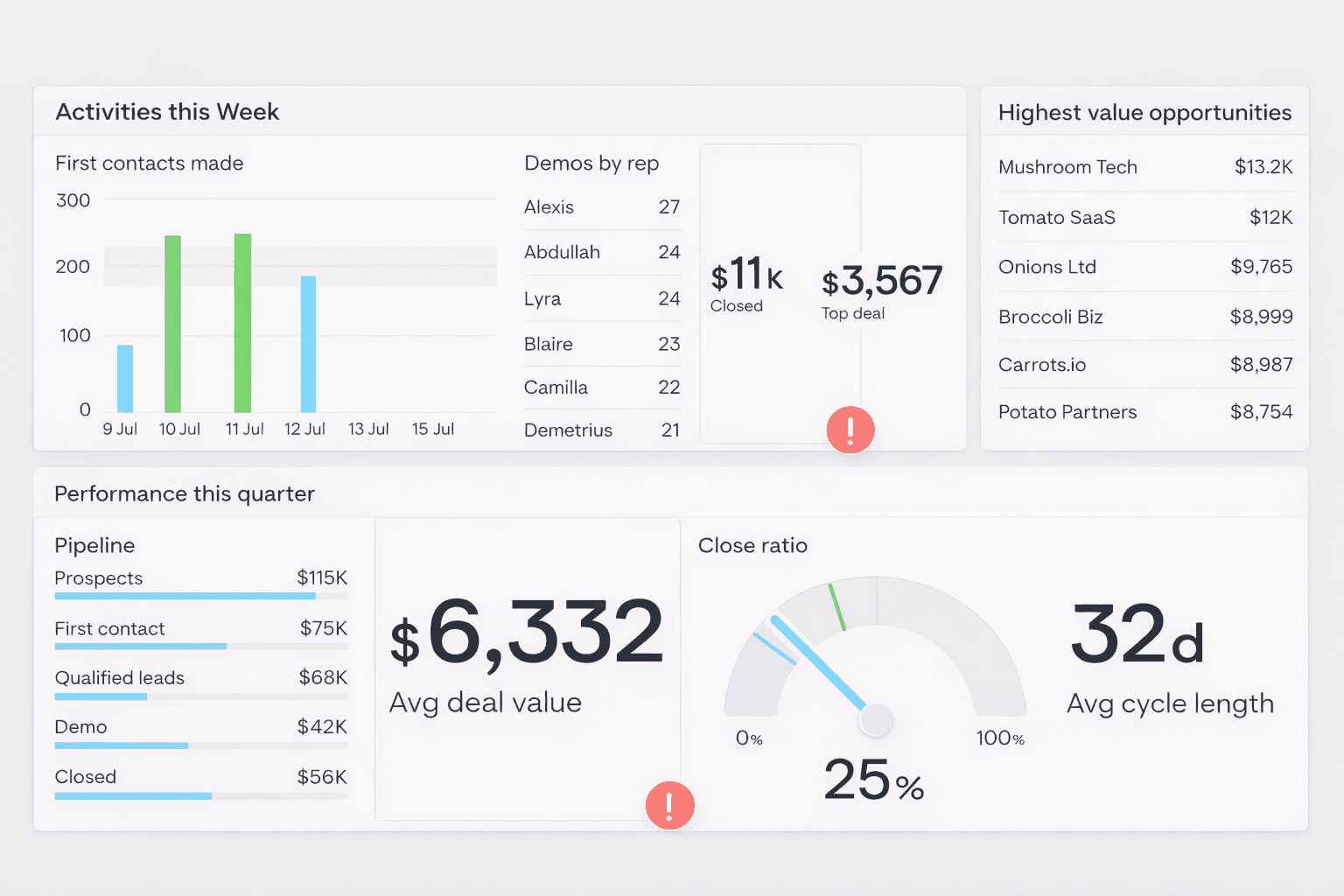
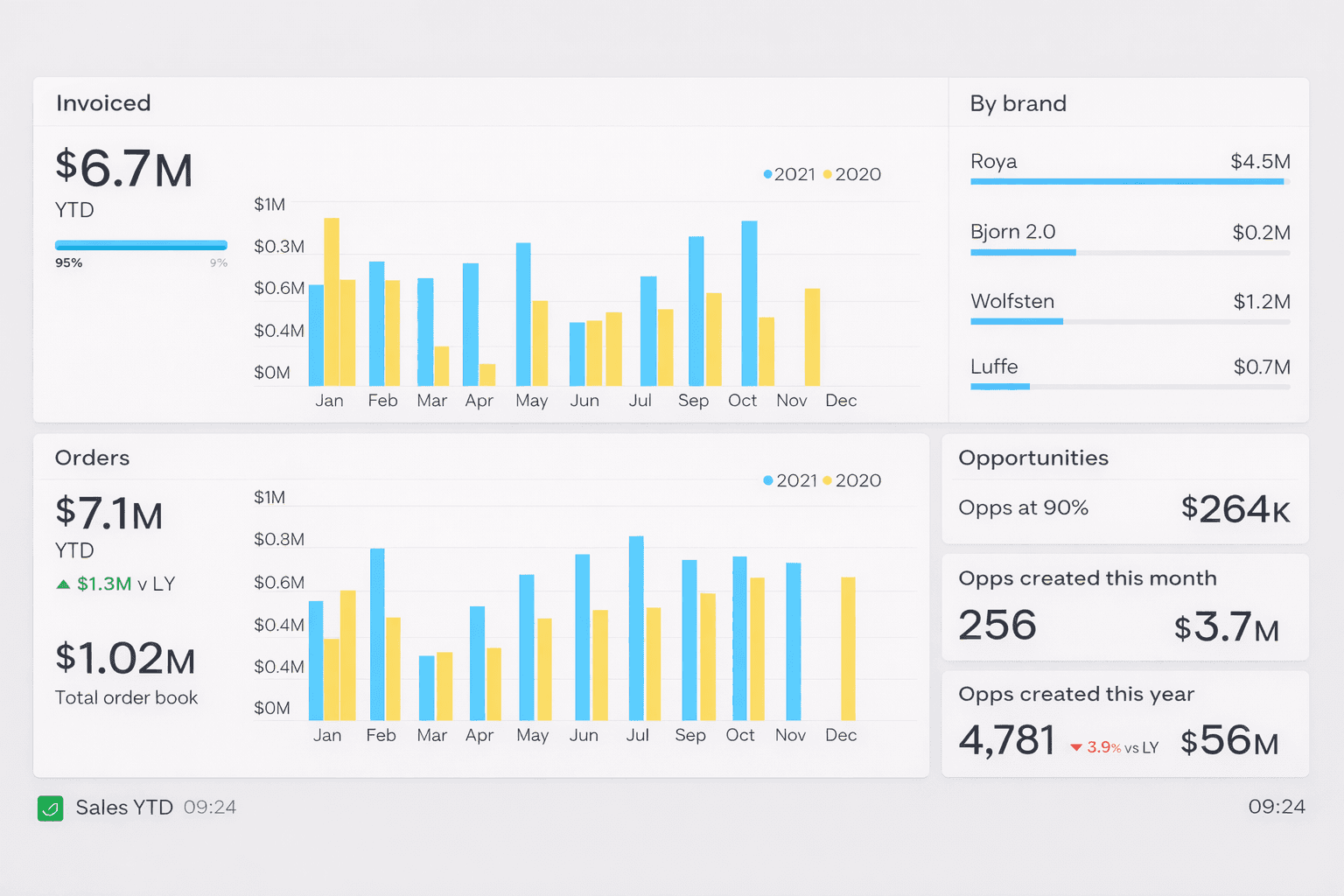
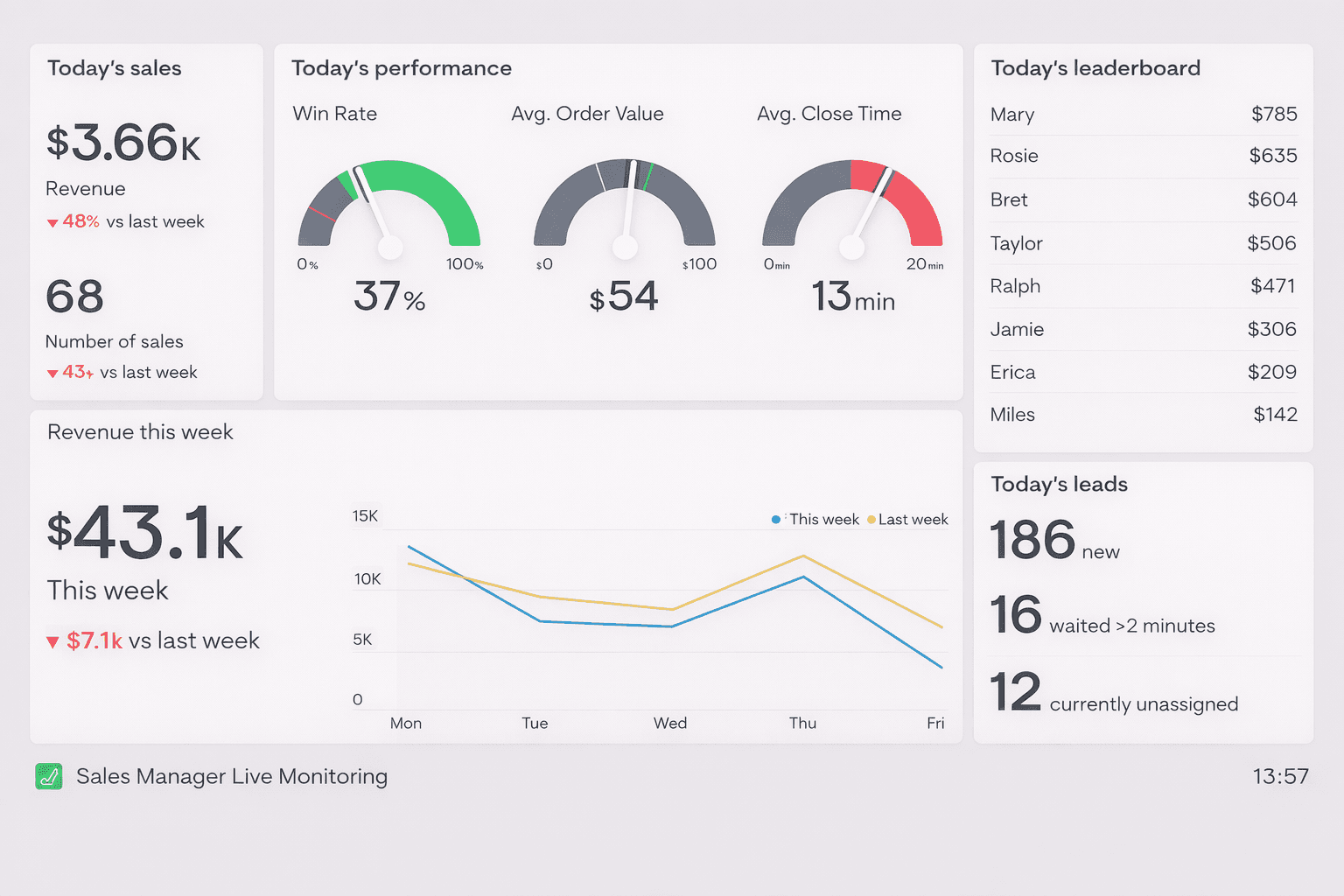
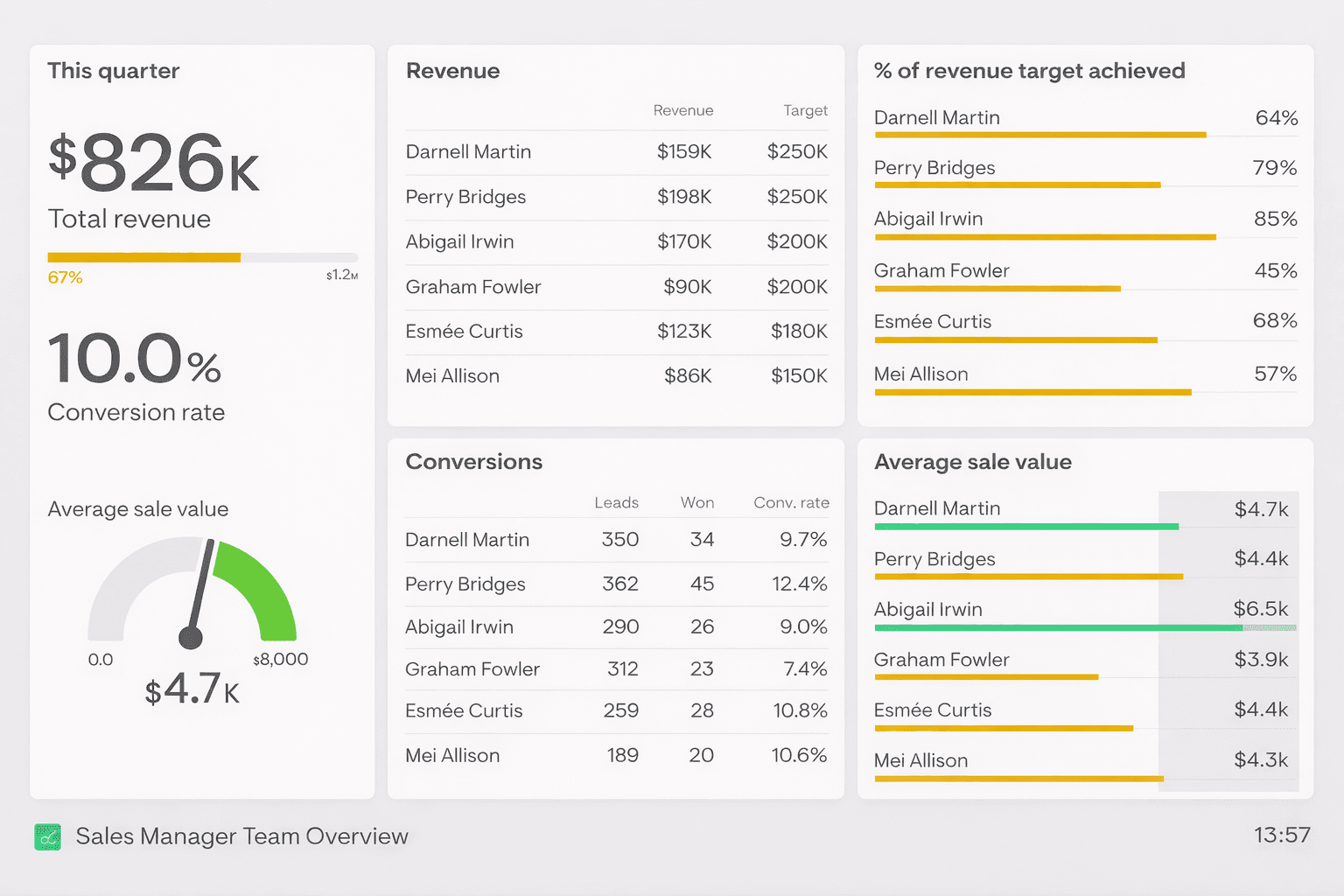
Demand & Planning
Key Metrics
Forecast accuracy (MAPE, bias)
Demand vs supply variance
Backorder volume
Stock-out frequency
Sales & operations planning (S&OP) alignment
Common Data Sources
ERP demand planning modules (SAP IBP, Oracle Demantra, NetSuite)
CRM systems (Salesforce, HubSpot)
POS systems (retail sales data)
E-commerce platforms (Shopify, Amazon Seller Central)
Historical sales databases / data warehouses
Inventory Management
Key Metrics
Inventory on hand
Inventory turnover
Days inventory outstanding (DIO)
Excess & obsolete stock
Safety stock levels
Common Data Sources
ERP inventory modules (SAP S/4HANA, Oracle ERP, NetSuite)
Warehouse Management Systems (WMS)
Barcode / RFID systems
Third-party logistics providers (3PL portals)
Manual stock counts (CSV / spreadsheets for SMEs)
Procurement & Suppliers
Key Metrics
Supplier lead times
On-time delivery (OTD)
Purchase price variance
Supplier defect rates
Spend by supplier / category
Common Data Sources
ERP procurement modules
Supplier portals
E-procurement tools (Coupa, Ariba)
Accounts payable systems
Quality management systems (QMS)
Contract management systems
Manufacturing & Production (if applicable)
Key Metrics
Throughput
Capacity utilisation
Overall Equipment Effectiveness (OEE)
Scrap & rework rates
Production cycle time
Common Data Sources
Manufacturing Execution Systems (MES)
Industrial IoT / machine sensors
SCADA systems
ERP production orders
Maintenance systems (CMMS)
Logistics & Transportation
Key Metrics
On-time, in-full delivery (OTIF)
Transit time
Freight cost per unit
Carrier performance
Shipment exceptions & delays
Common Data Sources
Transportation Management Systems (TMS)
Carrier APIs (DHL, UPS, FedEx, Maersk)
GPS / telematics platforms
Freight forwarder reports
Customs & trade compliance systems
Order Fulfilment & Customer Service
Key Metrics
Order cycle time
Perfect order rate
Return rates
Fulfilment cost per order
Customer complaint volume
Common Data Sources
Order Management Systems (OMS)
ERP sales order tables
CRM / customer support tools (Zendesk, Freshdesk)
Returns management systems
E-commerce fulfilment platforms
Financial & Cost Visibility
Key Metrics
Cost to serve
Gross margin by product / region
Logistics cost as % of revenue
Working capital tied up in inventory
Cash-to-cash cycle time
Common Data Sources
ERP finance modules
General ledger
Accounts payable / receivable systems
Freight and warehousing invoices
Data warehouse / finance marts
Risk, Resilience & Exceptions
Key Metrics
Supplier concentration risk
Single-point-of-failure exposure
Delay and disruption alerts
Inventory coverage by critical SKU
Scenario impact simulations
Common Data Sources
ERP master data
Supplier risk platforms
External data feeds (weather, geopolitical risk)
Manual risk registers
Planning & simulation tools
How This Comes Together in Practice
High-performing operations dashboards typically follow this architecture:
Source systems → ERP, WMS, TMS, MES, CRM
Central data layer → Cloud data warehouse (Snowflake, BigQuery, Redshift)
Transformation layer → Business logic, definitions, and KPIs
Analytics layer → Dashboards for operations, finance, and leadership
The key is consistency: one definition of inventory, lead time, cost, and service level across the entire organisation.
Why This Matters
Without integrated operations dashboards:
Teams optimise locally but fail globally
Inventory grows while service still degrades
Issues are discovered too late — after customers feel them
With the right data foundations:
Bottlenecks surface early
Trade-offs become visible
Decisions move from reactive to predictive
© 2025 Neo Analytica. All rights reserved.